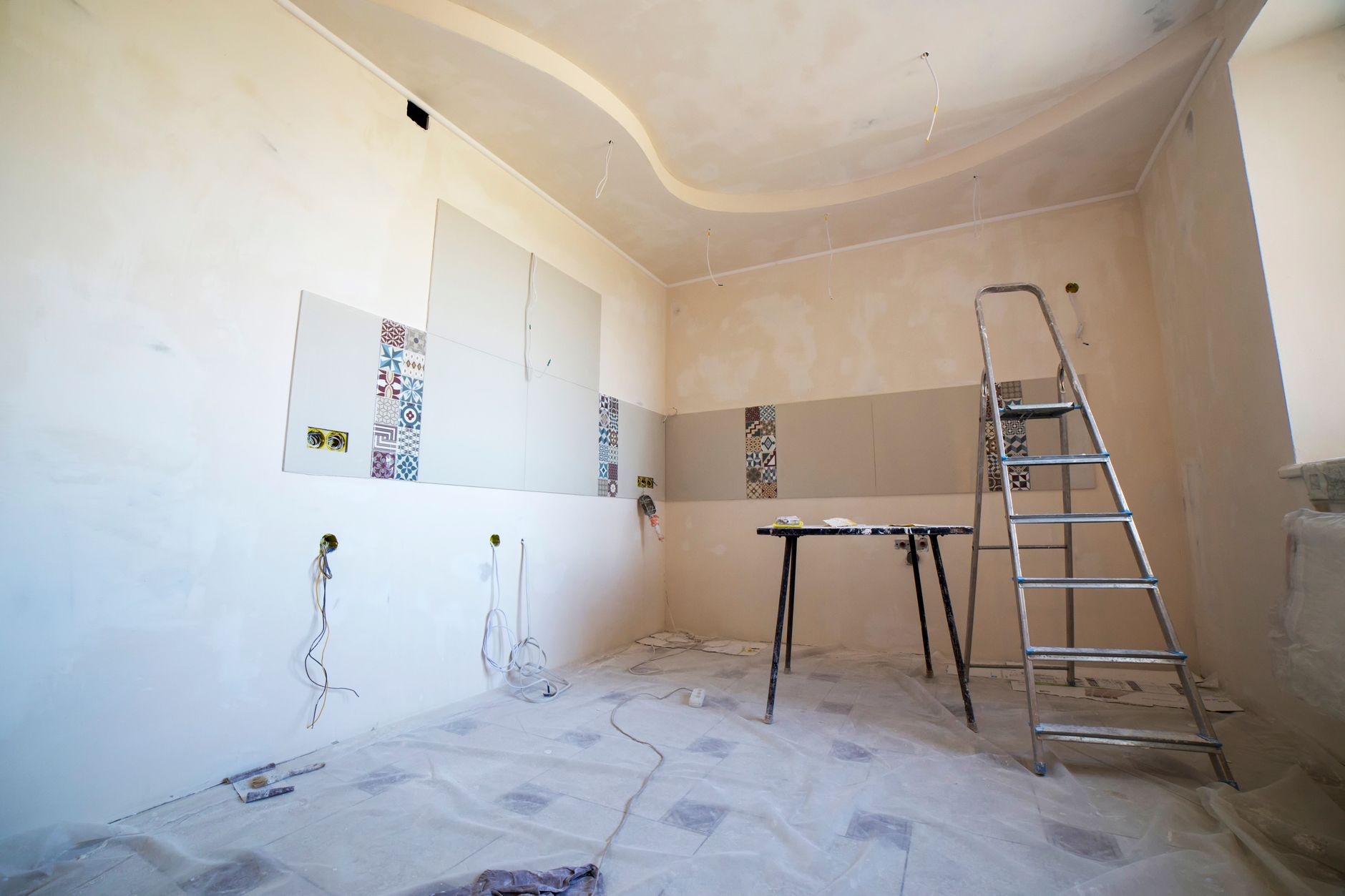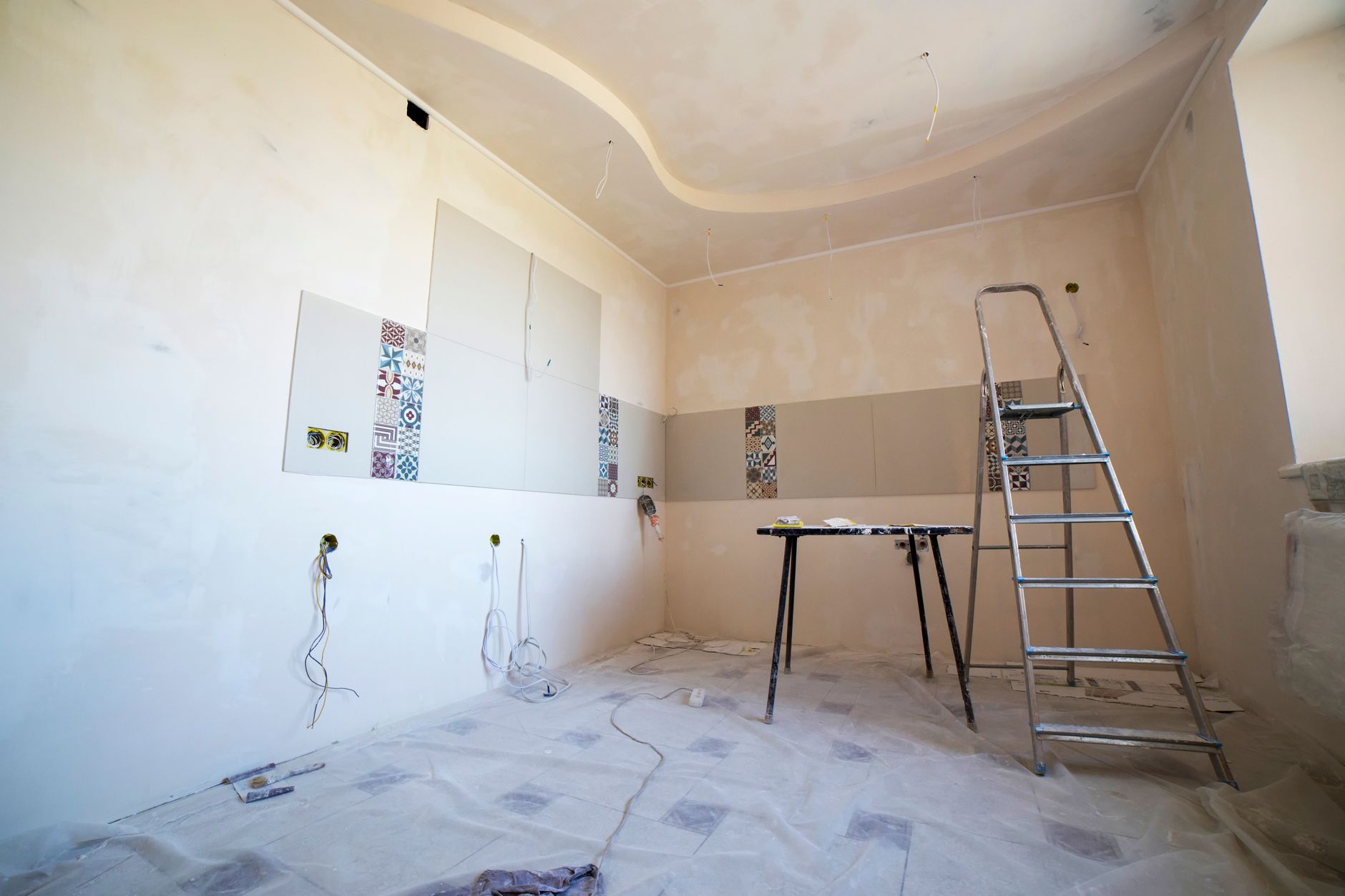
If you are searching for Glendale fix and flip loans, you probably already have a property in mind and a rough budget in your head. What you may not have is a clear picture of how the loan itself is priced, how rehab money actually reaches your contractor, and which charges only appear at the end. This guide walks through each of those pieces so you can compare total cost rather than one headline number.
One note up front: rates, points and fees change by lender, by deal and by week, so this article deliberately does not quote any. What it gives you is the structure, the questions to ask and a worked example you can fill in with your own figures.
Who offers fix and flip loans in Glendale?
Fix-and-flip loans are short-term, asset-based loans, and they are generally written by private and hard money lenders rather than by retail banks. Paramount Loan Services is a mortgage broker, not a direct lender. It places loans with lenders; it does not underwrite or fund them. In practice that means one conversation can put your deal in front of more than one source of funds, which is the idea behind hard money lenders matched by a broker. Paramount’s office is at 611 E Glenoaks Blvd in Glendale, and its programs include hard money and fix-and-flip alongside construction, DSCR and conventional loans.
The cost categories on a flip loan
Most fix-and-flip loans are priced from the same handful of parts. Ask for each one in writing, as a line item:
- Interest rate. Usually interest-only for the term, charged on the money actually drawn, or in some structures on the full balance. Which one applies matters.
- Origination points. A percentage of the loan amount, charged up front or at payoff. One point equals one percent of the loan.
- Third-party costs. Appraisal, title, escrow, insurance and recording, which exist on almost any real estate loan.
- Draw or inspection fees. Some lenders charge each time they release rehab funds and send someone to check the work.
- Extension fees. What it costs to lengthen the term if the project runs past the original maturity date.
- Prepayment terms. Some loans carry a minimum interest period, so a quick sale does not always cut the interest bill.
How rehab draws work
On many flip loans, the lender funds the purchase and holds the renovation budget back. You receive it in stages, called draws, as work is completed. A typical sequence looks like this: you finish a phase, request a draw, the lender or its inspector confirms the work, and funds are released to reimburse you or pay the contractor.
The practical lesson is cash flow. Because draws reimburse work already done, you or your contractor usually need some working capital to start each phase. Ask how many draws are allowed, whether inspections are in person or by photo, and how a draw request is handled when a permit inspection or city approval is pending. Those details shape your schedule more than the loan’s stated term does. Paramount’s rehab loan page is a good place to see how this program is structured.
A worked example, without the numbers
Rather than invent figures that might look like a quote, here is a template. Fill in the blanks with the terms you are offered and compare them side by side.
- Purchase and rehab. Write down the purchase price and the full rehab budget. Note how much of each the lender will fund and how much cash you must bring.
- Up-front costs. Add origination points (loan amount times the points percentage), plus third-party closing costs.
- Carrying cost. Multiply the monthly interest by the number of months you realistically expect to hold the property. Use the draw-based balance if interest is charged only on funded amounts.
- Draw costs. Multiply any per-draw or inspection fee by the number of draws you expect.
- Cushion. Add one extension fee and a few extra months of interest, because permits and contractors rarely keep to schedule.
- Exit costs. Add payoff charges, agent commissions and transfer costs on the sale.
Total those lines and subtract them from your expected resale price, along with the purchase price and rehab budget. What remains is your real margin. A loan with a lower rate but heavier points and draw fees can cost more than one with a higher rate and simpler charges, and only the full tally shows which.
Why flip pricing is higher than long-term loans
Flip loans are priced for speed, short terms and properties that are not yet at their best condition, so they typically cost more than loans built for a finished rental. That is why some investors buy and renovate with short-term money, then move a stabilized property into a long-term program such as DSCR loans in Glendale and Los Angeles. If you intend to keep the property, that second step is worth planning before you buy, not after.
What speeds up funding, and what does not
No honest broker can promise a closing date, and this article will not either. Timing depends on the lender, the property, title, the appraisal and how complete your file is. What you control is preparation: a clear scope of work with a contractor bid, proof of the cash you are bringing, a purchase contract, and your entity documents if you buy through an LLC. Having these ready before you apply removes the most common reasons a file stalls. For a deeper look at the program itself, see how fix-and-flip works in Glendale.
Questions to ask before you sign
- Are points charged on the whole loan or only on the purchase portion?
- Is interest charged on the full balance or only on funds drawn?
- What does an extension cost, and what triggers it?
- How many draws are allowed, and what is the typical turnaround for an inspection?
- Is there a minimum interest period or prepayment charge?
Talk through your numbers
If you are weighing a Glendale flip and want a second set of eyes on the cost structure before you commit, Paramount Loan Services is happy to talk it through. Tom Tumyan, owner and Senior Loan Officer, has been a licensed loan officer for more than 25 years with experience in commercial and residential real estate. You can call the Glendale office at (818) 500-4009 whenever you are ready to book a conversation.

Written by Paramount Loan Services
Licensed California mortgage broker (NMLS #236355) in Glendale, serving borrowers since 2006. We work with many lenders — from conventional, FHA, and VA to bank statement, ITIN, and hard money programs — to match each client with the loan that fits.