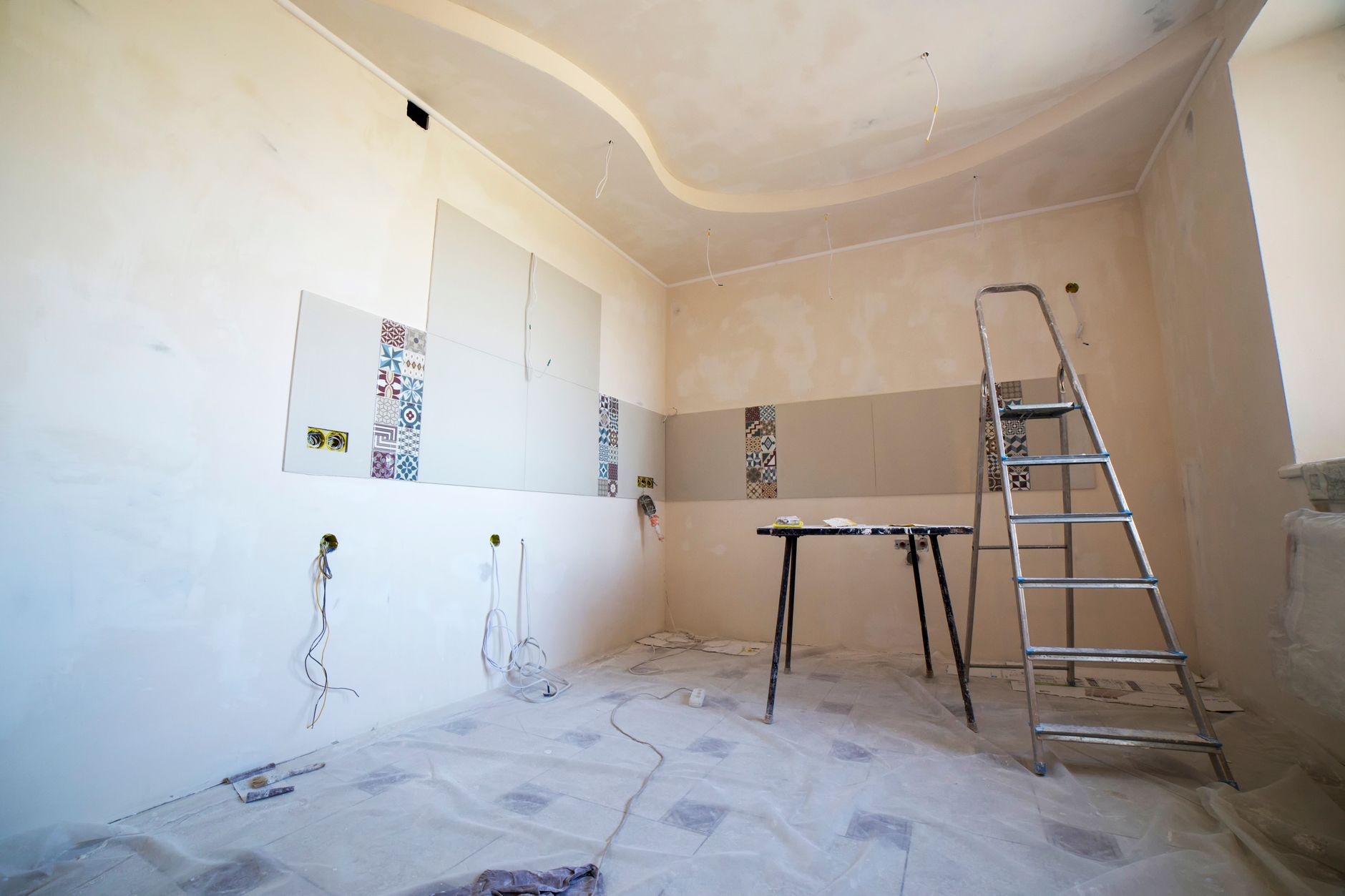
If you flip houses, you already know the math: buy, renovate, sell, and keep the financing costs from eating the margin. Rehab loans in Glendale are built for exactly that sequence, but they work differently from the mortgage you'd use to buy a home you plan to live in. Understanding the mechanics before you make an offer is the cheapest way to avoid surprises.
This guide walks through how a rehab loan funds a purchase and a renovation, what lenders typically want to see, and the Glendale-specific issues that tend to affect a flip's schedule. It is general education, not a quote or an offer of credit.
What a rehab loan actually is
A rehab loan, often called a fix-and-flip loan, is short-term financing for a property that needs work. Instead of lending only against what the house is worth today, the lender looks at the purchase price, the renovation budget, and what the finished property is expected to be worth. Those loans are generally interest-focused and short in duration, because the plan is to sell or refinance once the work is done.
Paramount Loan Services is a mortgage broker, not a direct lender. That means we don't fund these loans ourselves; we place them with lenders whose guidelines fit your deal. You can see how we describe the program on our fix and flip and rehab loans page.
How the money moves: purchase plus renovation draws
Most rehab loans split the funding into two pieces:
- Purchase funds. Released at closing to buy the property, usually covering a portion of the price rather than all of it.
- Renovation funds. Held back and released in stages, called draws, as work is completed.
A typical draw works like this: you finish a phase, such as demolition, rough plumbing, or electrical, request a draw, and the lender verifies the progress, often with an inspection or photos. Once verified, they release the next installment. Because of this, you generally need enough cash on hand to pay contractors up front and wait for reimbursement. A tight schedule of draws can strain a project that was budgeted too thin.
What lenders look at when you apply
Rehab lending is driven more by the deal than by a W-2 paycheck, but lenders still ask for a clear picture. Expect conversations about:
- The scope of work. A line-item renovation budget and timeline, not a rough guess.
- The after-repair value. What the property should be worth when finished, supported by comparable sales.
- Your experience. Some lenders treat first-time flippers differently from investors with completed projects.
- Your own cash. Down payment, closing costs, and reserves to cover surprises.
- Your exit plan. Sell the property, or refinance into longer-term financing.
Requirements vary from lender to lender, which is where a broker helps. Rather than you approaching one lender at a time, we can look at which options suit the deal you are describing. Our page on hard money lenders matched by a broker explains how that placement works.
Understanding rehab loan costs in Glendale
Flippers searching for rehab loans in Glendale are usually asking one question: what will this cost me? We can't quote rates or fees here, and any number you see online without your specific deal attached should be treated carefully. What we can do is show you which pieces to ask about, so you can compare offers fairly:
- The interest charged and how it is calculated.
- Origination or lender fees, and what they are based on.
- Inspection and draw fees each time funds are released.
- Any prepayment terms if you sell sooner than planned.
- Extension terms if the project runs long.
When rates move, the timing of your exit matters more. If you are watching the market, our look at what the Fed's 2026 decisions mean for LA mortgages gives helpful background on why financing costs shift. Build a budget that still works if the sale takes longer than expected.
Glendale timelines and permit realities
A flip's loan term and its permit schedule have to line up. Cosmetic updates like paint, flooring, and fixtures often need little or no permitting. Structural changes, additions, electrical or plumbing upgrades, and layout changes generally involve permits through the city, and review and inspection time can stretch a schedule. Check with the City of Glendale's permitting office about your specific scope before you commit to a closing date or a loan term.
Older homes bring their own surprises. Hidden issues behind walls can add scope mid-project, and a contingency in your budget is cheaper than a stalled draw. Also remember that draws depend on verified progress; delays in permits or inspections can delay when your next installment arrives.
Planning the exit: sell or refinance
Short-term rehab financing is meant to be temporary. If you plan to sell, your timeline should leave room for the market, not just for the construction. If you plan to hold the finished home as a rental, you may refinance into longer-term financing; a DSCR loan is one option investors look at because it focuses on the property's rental income. Decide on the exit before you borrow, since it affects which rehab loan terms make sense.
Questions to settle before you make an offer
- Is my renovation budget based on contractor bids or on guesses?
- How much cash do I need to carry between draws?
- Which permits does my scope require, and how long might they take?
- What happens to my costs if the project runs past the loan term?
- Do I have a backup exit if the sale price comes in lower than expected?
Working through these before you are under contract keeps your options open.
Talk it through with a local broker
Tom Tumyan, our owner and Senior Loan Officer, has been a licensed loan officer for more than 25 years, with experience in both commercial and residential real estate. Our office is at 611 E Glenoaks Blvd in Glendale. If you are weighing a flip and want to understand your financing options before you bid, you can book a time to talk or call us at (818) 500-4009. No pressure, just a plain-English conversation about your deal.

Written by Paramount Loan Services
Licensed California mortgage broker (NMLS #236355) in Glendale, serving borrowers since 2006. We work with many lenders — from conventional, FHA, and VA to bank statement, ITIN, and hard money programs — to match each client with the loan that fits.