Homeowners insurance affects mortgage approval more directly than most California buyers expect. Lenders will not fund a loan without proof of coverage, and in 2026 that coverage costs more, and is harder to find, than it was even two years ago. If you are budgeting for a home in Glendale or greater Los Angeles, your insurance quote is not a side errand. It is part of the underwriting math.
This matters because California's insurance market has changed fast. Rate hikes, non-renewals in fire-prone ZIP codes, and a rapidly growing FAIR Plan have pushed more buyers into unfamiliar insurance products right when they are also trying to qualify for a loan. Here is what that means for your approval, and what to do about it before you write an offer.
Why Your Lender Cares About Your Insurance Policy
A mortgage is secured by the home itself. If a fire, storm, or other covered loss damages the property, your lender needs to know the collateral is protected. That is why every lender requires a bound hazard insurance policy, with a dwelling coverage amount that matches or exceeds your loan amount, before your loan can close. No binder, no funding. This is not new. What is new is how much harder that binder can be to get, and at what cost, in parts of California.
How Rising Premiums Affect Mortgage Approval
Your insurance premium is not a separate bill sitting outside your mortgage. It gets added to your monthly housing payment alongside principal, interest, taxes, and often mortgage insurance, and that total feeds directly into your debt-to-income ratio. A higher premium raises your monthly housing cost, which can shrink the loan amount you qualify for, even if your income and credit have not changed at all. Before you fall in love with a listing, it is worth running the numbers with a real insurance quote in hand rather than a rough guess, and our suite of mortgage calculators can help you see how that premium moves your monthly payment and your qualifying range.
The FAIR Plan and DIC Wraps: What Lenders Actually Require
California's FAIR Plan, the state's insurer of last resort, now covers more than 600,000 properties statewide, and it keeps growing as private carriers pull back from wildfire-exposed areas. The FAIR Plan is a fire-only policy. It does not cover liability, theft, water damage, or loss of use, which means most lenders will not accept it as your only coverage. The standard workaround is a Difference in Conditions, or DIC, policy layered on top of the FAIR Plan to fill those gaps. If you are shopping in a higher fire-risk part of Los Angeles County, ask your insurance agent early whether you will need this combination, because arranging it takes time your escrow period may not have to spare.
Buying or Rebuilding in a Fire-Prone Area
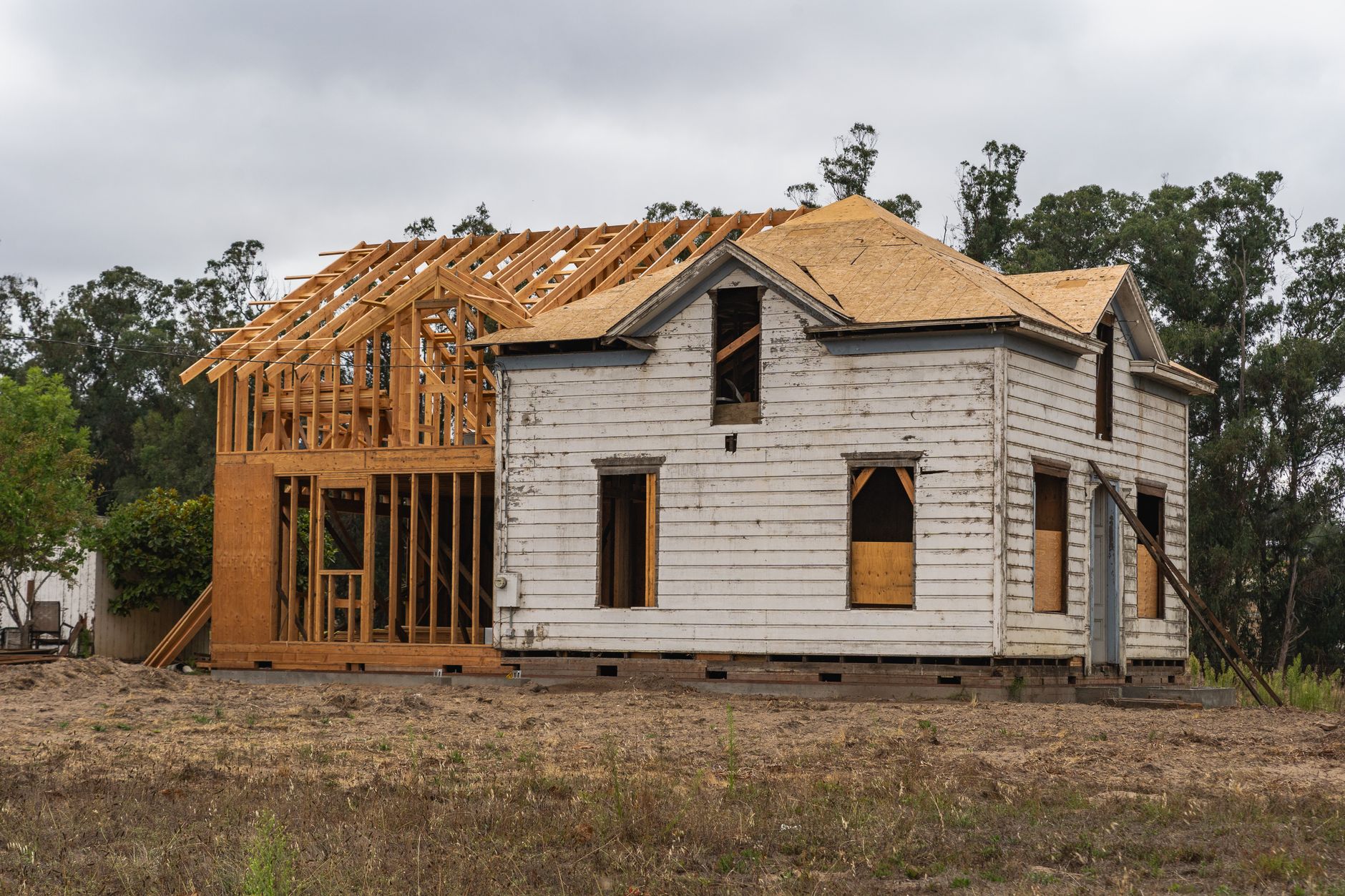
If you are purchasing or rebuilding in a neighborhood affected by recent wildfire activity, insurance availability can shape your financing timeline as much as your loan program does. Some lenders want extra documentation on coverage adequacy for homes in designated high-hazard zones, and rebuilding after a loss brings its own draw schedules and inspection requirements. If you are rebuilding after the recent Los Angeles fires, our recent piece on construction loans to rebuild after the fire in Los Angeles walks through how that financing works alongside your insurance settlement.
Self-Employed and Non-QM Borrowers Feel It Twice
If you qualify using bank statements or another non-QM path instead of traditional tax-return income, a higher insurance premium can matter even more. Non-QM underwriting is already sensitive to how every dollar of monthly obligation lines up against your documented income, so an unexpected jump in your insurance quote can be the difference between a loan that fits and one that needs restructuring. It is worth reviewing how conventional and non-QM home loans handle housing costs differently before you settle on a program, especially if your target property sits in a zone where premiums are climbing.
Steps to Take Before You Apply
- Get a real insurance quote for the specific property, not a citywide estimate, before you finalize your offer.
- Ask directly whether the property will require a FAIR Plan and DIC combination, and get that cost in writing.
- Share the quote with your loan officer early so it can be built into your debt-to-income calculation from the start.
- Budget for the possibility of a premium increase at your first renewal, not just the initial quote.
None of this means California homeownership is out of reach. It means the insurance conversation now belongs at the front of your mortgage planning, not the end of it.
A Broker's Role When Insurance Complicates a Loan
As a mortgage broker, not a lender, our job is to shop your loan across multiple programs and match the one that can absorb your actual housing costs, insurance included. When a premium comes in higher than expected, or a property needs a FAIR Plan and DIC wrap, we can look at conventional, FHA, VA, or non-QM options side by side rather than forcing your numbers into a single lender's box.
If you are weighing a purchase or refinance anywhere in Glendale or greater Los Angeles and want to understand how your insurance situation fits into your approval, reach out to talk with a live mortgage expert before you make an offer.

Written by Paramount Loan Services
Licensed California mortgage broker (NMLS #236355) in Glendale, serving borrowers since 2006. We work with many lenders — from conventional, FHA, and VA to bank statement, ITIN, and hard money programs — to match each client with the loan that fits.